
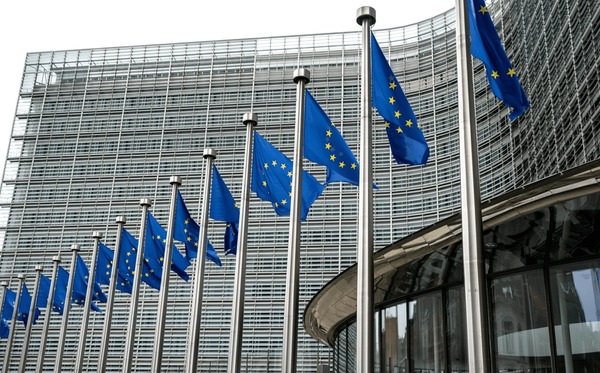
The European construction sector is facing its most significant evolution in decades. Driven by the EU’s strict climate targets for 2030 and the push toward a fully circular economy, the criteria for choosing building materials have fundamentally changed. Today, developers and contractors are not just looking at price and structural integrity; they are evaluating carbon footprints, material lifecycles, and regulatory compliance.
Here is a breakdown of the key regulatory shifts and material trends defining European construction today:
1. The Rise of EPDs (Environmental Product Declarations)
In European procurement, an EPD has transformed from a „nice-to-have“ certificate into a mandatory passport for building materials.
What it means: An EPD provides verified, transparent data about the lifecycle environmental impact of a product (from raw material extraction to disposal).
The Impact: Major commercial and public projects across Europe now require EPDs for steel, concrete, and insulation. Importers and suppliers who provide materials with clear, low-carbon EPDs are gaining a massive competitive advantage, as developers need this data to secure green building certifications like LEED, BREEAM, or DGNB.
2. Circular Economy: Mandating Recycled Content
The EU’s Circular Economy Action Plan is forcing the industry to move away from the traditional „take-make-waste“ model.
Steel and Profiles: Steel is inherently recyclable, but the focus has shifted to the percentage of recycled content and the energy source used in its fabrication. The market is rapidly rejecting components made via high-emission coal processes in favor of electric arc furnace (EAF) steel.
Structural Efficiency: Engineers are now designing buildings with deconstruction in mind. Lightweight structural steel profiles (such as Light Gauge Steel – LGS) are highly favored because they can be easily disassembled, repurposed, or recycled at the end of the building’s lifecycle.
3. Smart Water Management and Sustainable Plumbing (HVAC/Infrastructure)
Sustainability is not limited to the structural framework; it extends deep into the building’s internal systems. With water scarcity becoming an escalating issue across Southern and Central Europe, building codes are tightening around plumbing and water management.
Advanced Piping Materials: Modern projects are moving toward multi-layer pipes and high-density polyethylene (HDPE) systems that guarantee zero chemical leaching, high pressure resistance, and a lifespan exceeding 50 years.
Efficiency at the Core: Integrated water-saving infrastructure—such as greywater recycling systems and smart leak detection—is becoming standard in both residential and commercial European builds to meet strict efficiency ratings.
4. Supply Chain Resilience and European Standards
With global supply chain volatility remaining a challenge, European builders are prioritizing reliable, regional supply networks. Importing materials that strictly adhere to EN standards (European Standards) and carry the CE mark is crucial. Substandard materials might offer short-term savings but carry severe financial risks in terms of legal compliance, structural failures, and rejected building permits.
The future of European construction belongs to smart, compliant, and sustainable sourcing. Navigating this landscape requires strong partnerships with forward-thinking material importers who understand both local market needs and overarching European regulations.
- This article is brought to you by Stelix Solutions Ltd. – your trusted partner in importing premium, compliant building materials, rebar, steel profiles, and advanced plumbing systems.